


As Staffordshire prepares for local elections on Thursday 7 May 2026, a familiar pattern has begun to emerge across the county.
People are not disengaged, and they are not uninterested. They are simply unsure. Unsure what they are voting for, unsure whether they should be voting at all, and unsure what difference it will actually make.
That uncertainty does not come from a lack of care. It comes from a lack of clear, straightforward explanation.
Local elections have long been overshadowed by national politics. Conversations quickly drift towards Westminster, the Prime Minister, the NHS, immigration, and wider policy debates. But this election is not about any of those things. It is not a smaller version of a general election, and it will not decide who runs the country.
This is a local election, and that distinction matters more than many people realise.
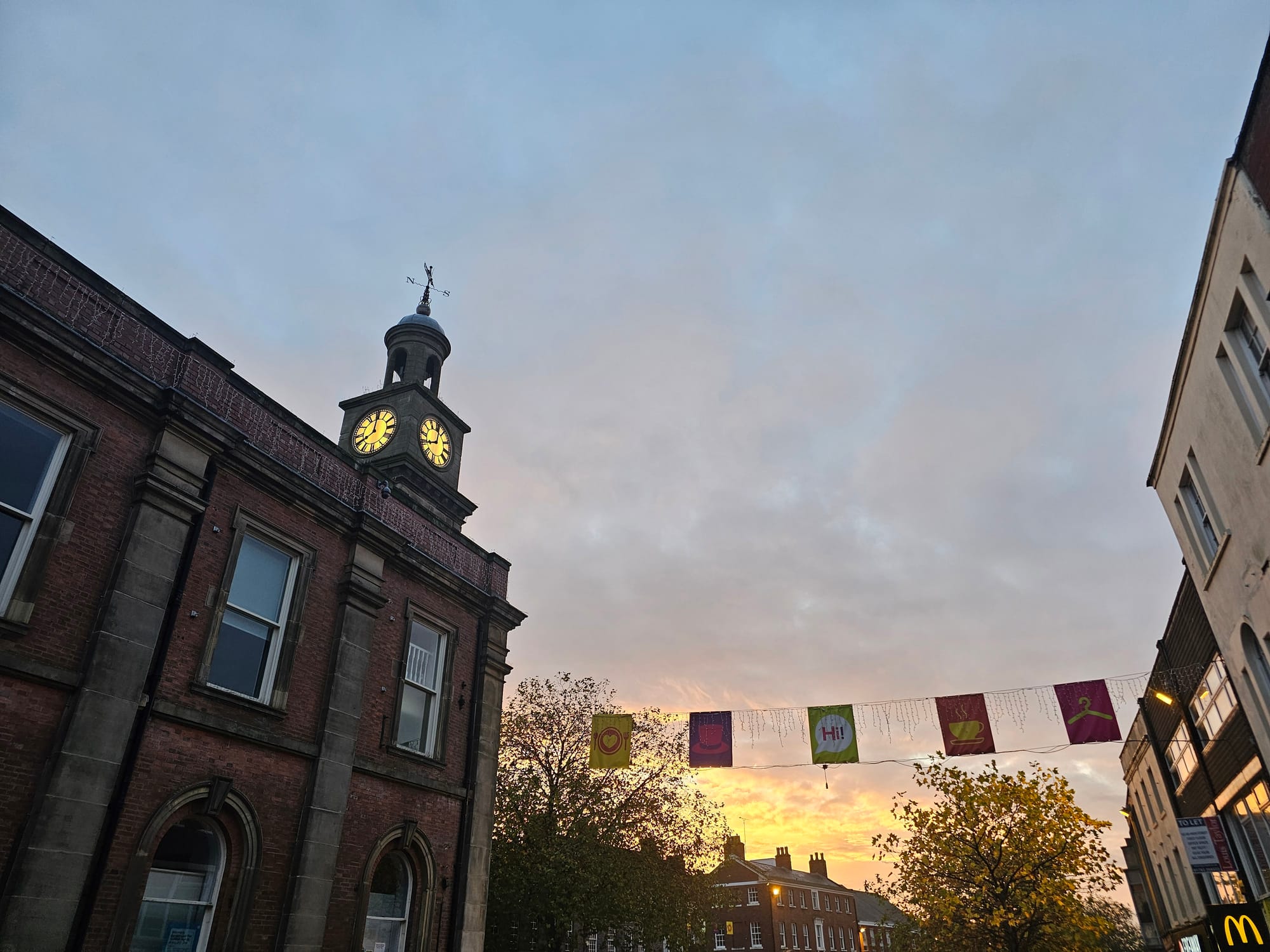
What this election is actually about
On 7 May, voters in parts of Staffordshire will head to the polls to choose their local councillors.
These are the people responsible for decisions much closer to home. Planning applications, housing developments, waste and recycling, local services, parks, leisure facilities, and how council budgets are spent all sit within their remit. It is not always headline-making work, but it is the work that shapes everyday life across towns and communities.
For many residents, these are the decisions that are felt most directly. Questions about why a development was approved, why an area has been improved or overlooked, or why local services operate in a certain way often lead back to decisions made at council level. These are not decisions taken in London, but by councillors representing wards just a few miles away.
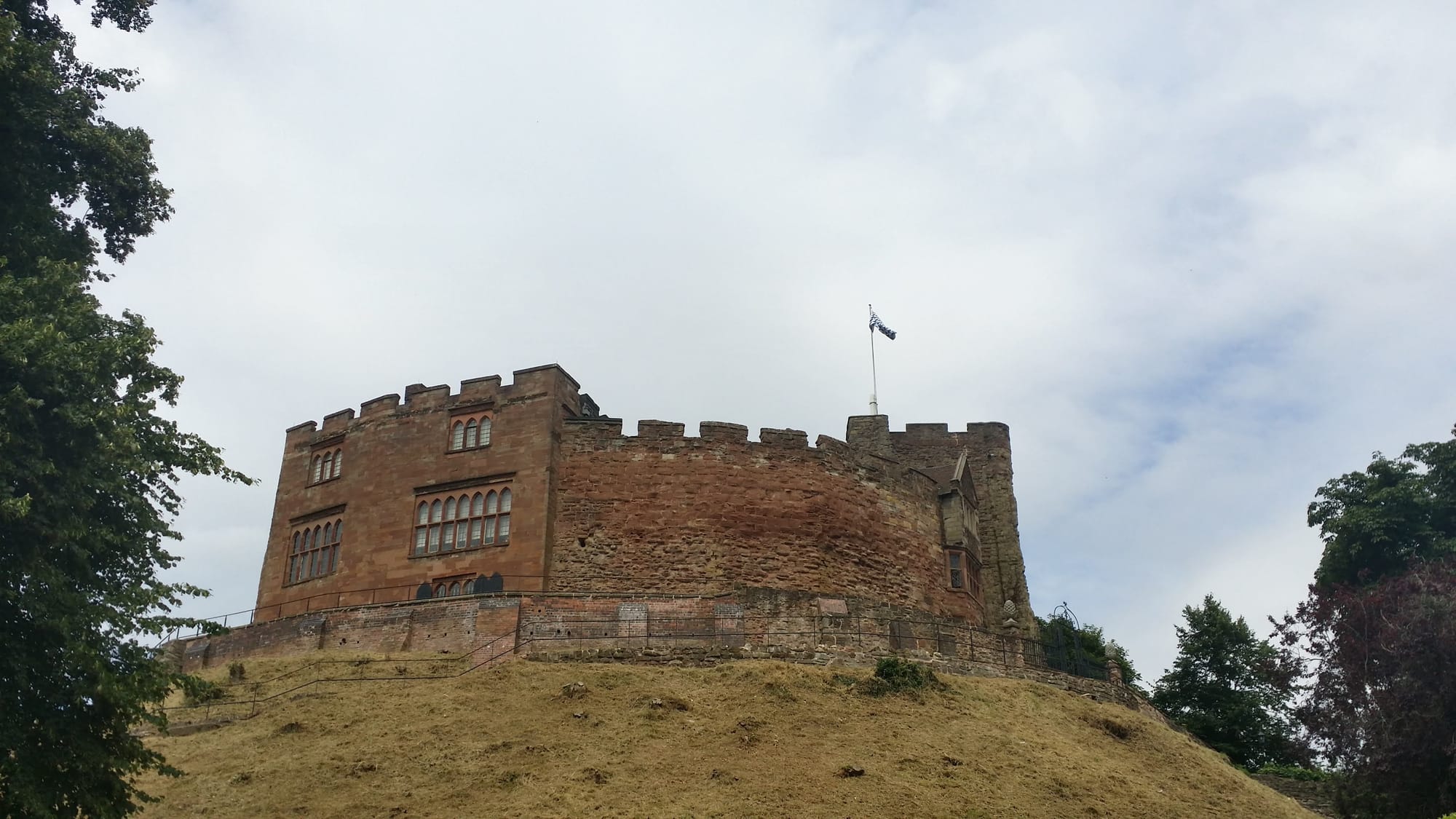
Why some people are voting and others are not
One of the biggest sources of confusion this year is why some residents are voting while others are not.
The answer is simple, but rarely explained clearly. Not every council holds elections at the same time.
Some councils elect all of their councillors every four years. Others elect a portion of councillors each year as part of a rolling cycle. There are also what are known as fallow years, where no elections take place in a particular area at all.
That is why someone living in one part of Staffordshire may be heading to the polls, while someone just a few miles away is not.
In Stoke-on-Trent, there are no local elections taking place this May. The city council elects all of its councillors every four years, and 2026 is not one of those years. Nothing has been cancelled and nothing has changed, it is simply not Stoke’s turn in the cycle. The next elections there are expected in 2027.
Elsewhere, the picture is different. Newcastle-under-Lyme is holding an all-out election, meaning every seat on the council is being contested. In Cannock Chase and Tamworth, only some seats are up for election this year, as those councils operate on a staggered system.
This variation is one of the main reasons local politics can feel confusing. It is not always obvious why elections are happening in one place but not another, or why the number of candidates differs between areas.
Find out who you can vote for
Enter your postcode below to see election information for your area, including candidates and polling details where available.
What about the changes to local government?
There has also been some uncertainty this year following discussions about potential changes to how local government is structured across parts of England, including Staffordshire.
At one stage, there were proposals to delay some elections while those changes were considered. Those plans were later withdrawn, and elections are now going ahead as scheduled.
While wider structural changes may still happen in the future, they do not affect the elections taking place on 7 May 2026.

What councillors can and cannot do
Another common misunderstanding is the role of a local councillor.
Councillors can influence planning decisions, support local residents, shape services, and push for improvements within their communities. They can raise concerns, challenge proposals, and represent the views of the people who elected them.
However, their powers have limits. They do not control national policy. They cannot change immigration rules, they do not run the NHS, and they do not set national taxes. These decisions sit with central government.
This is where local elections are often misunderstood. Approaching them as a statement on national politics risks overlooking the practical, day to day decisions that councillors are actually responsible for.
Why your vote carries weight
Turnout in local elections is typically much lower than in general elections. In some areas, only a relatively small proportion of the population takes part.
That means each vote carries more weight than many people expect.
Decisions about local areas, from development to services, can ultimately be shaped by a small number of votes. For those who do take part, the impact can be significant.
Find out who you can vote for
Enter your postcode below to see election information for your area, including candidates and polling details where available.
How to find your candidates
For those unsure who is standing in their area, there are simple ways to find out.
The most accessible option is to use the postcode search tool on Who Can I Vote For?, which allows residents to see their ward, the candidates standing, and the parties they represent. Councils also publish official candidate lists, although these are often presented as formal documents rather than easy to read guides.
Across Staffordshire, the areas voting on 7 May include Newcastle-under-Lyme, where all wards are being contested, Cannock Chase, where most wards are electing one councillor and one ward is electing two, and Tamworth, where several wards are voting while the Wilnecote election has been postponed.
Polling stations will be open from 7am to 10pm, and voters will need to bring valid photo identification in order to cast their vote.
A decision close to home
For many people, the question is whether voting will make a difference.
Local elections can feel quieter and less visible than national ones, but they are often where the most immediate changes happen. The condition of local services, the direction of development, and the priorities of a town or borough are all shaped at this level.
This is not about choosing a national government. It is about choosing who makes decisions about the place you live.
And for those taking part on 7 May, it is worth looking beyond party labels and national debates, and taking the time to understand the people standing, the issues they are talking about, and the communities they are asking to represent.
Enjoyed this story?
The Staffordshire Signal is a not-for-profit, community-funded publication. Every tip helps keep local journalism free, independent, and focused on the stories that matter across Staffordshire.
Every contribution supports reporting, photography, and storytelling across the county.
Explore the heart of our county Use the interactive map above to discover local landmarks, heritage sites, and community-vetted spots. Every interaction helps support The Staffordshire Signal’s mission to keep local news free and independent.


