

How Stoke-on-Trent became the unlikely epicentre of one of the world's most influential music movements
Most people think rave started in Manchester. They think of the Hacienda, Factory Records, and the grand mythology of the acid house explosion. But the truth, as is often the case with local history, is rather different. The real story of rave begins in a basement badminton court under Longton bus station, where a joiner turned MC called Gary Oliver Falconer would give voice to a generation. It begins with the sound of industrial collapse, the thump of a 303 drum machine, and a small group of people who decided they weren't going to be left behind by Thatcher's Britain.
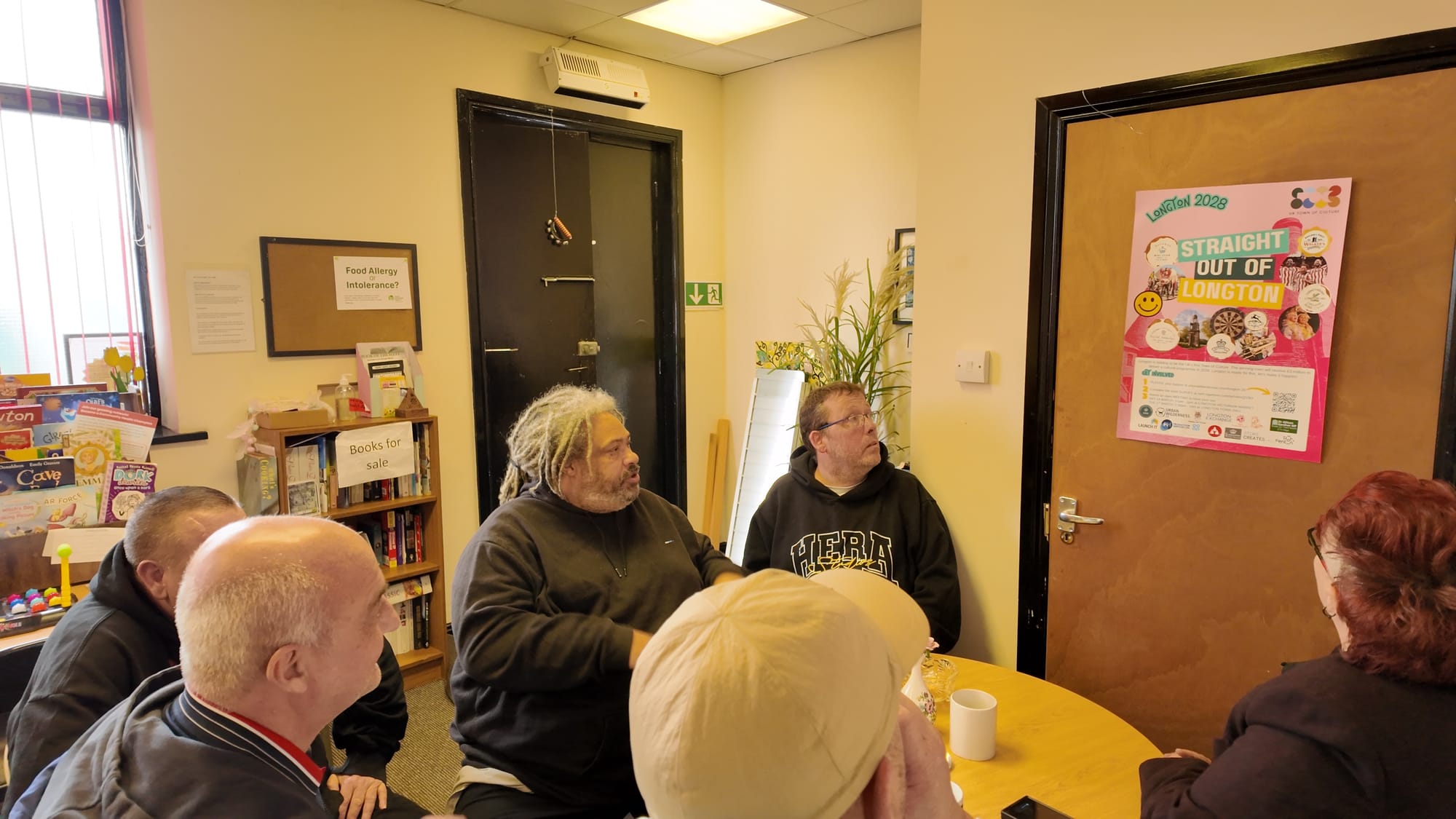
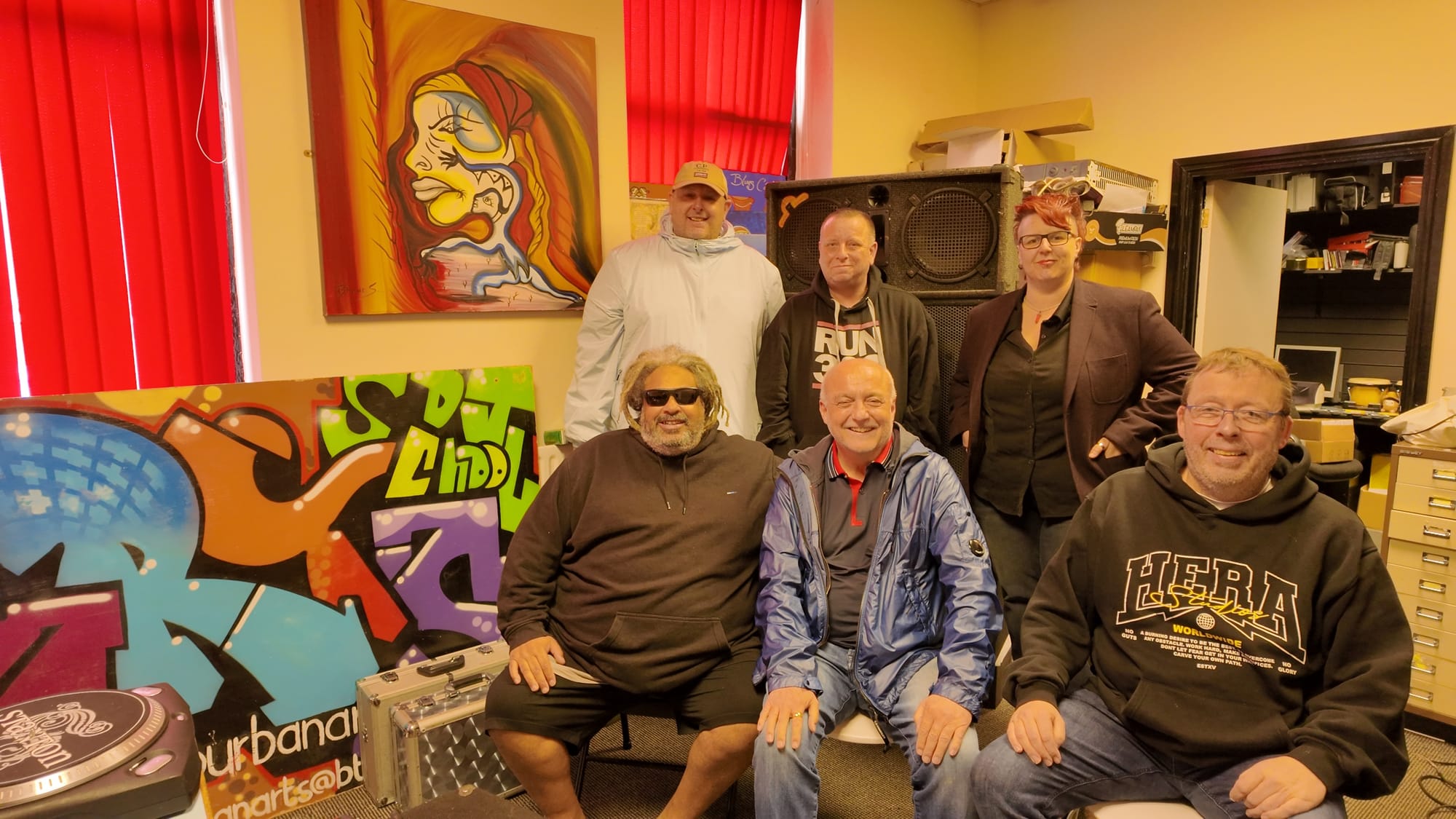
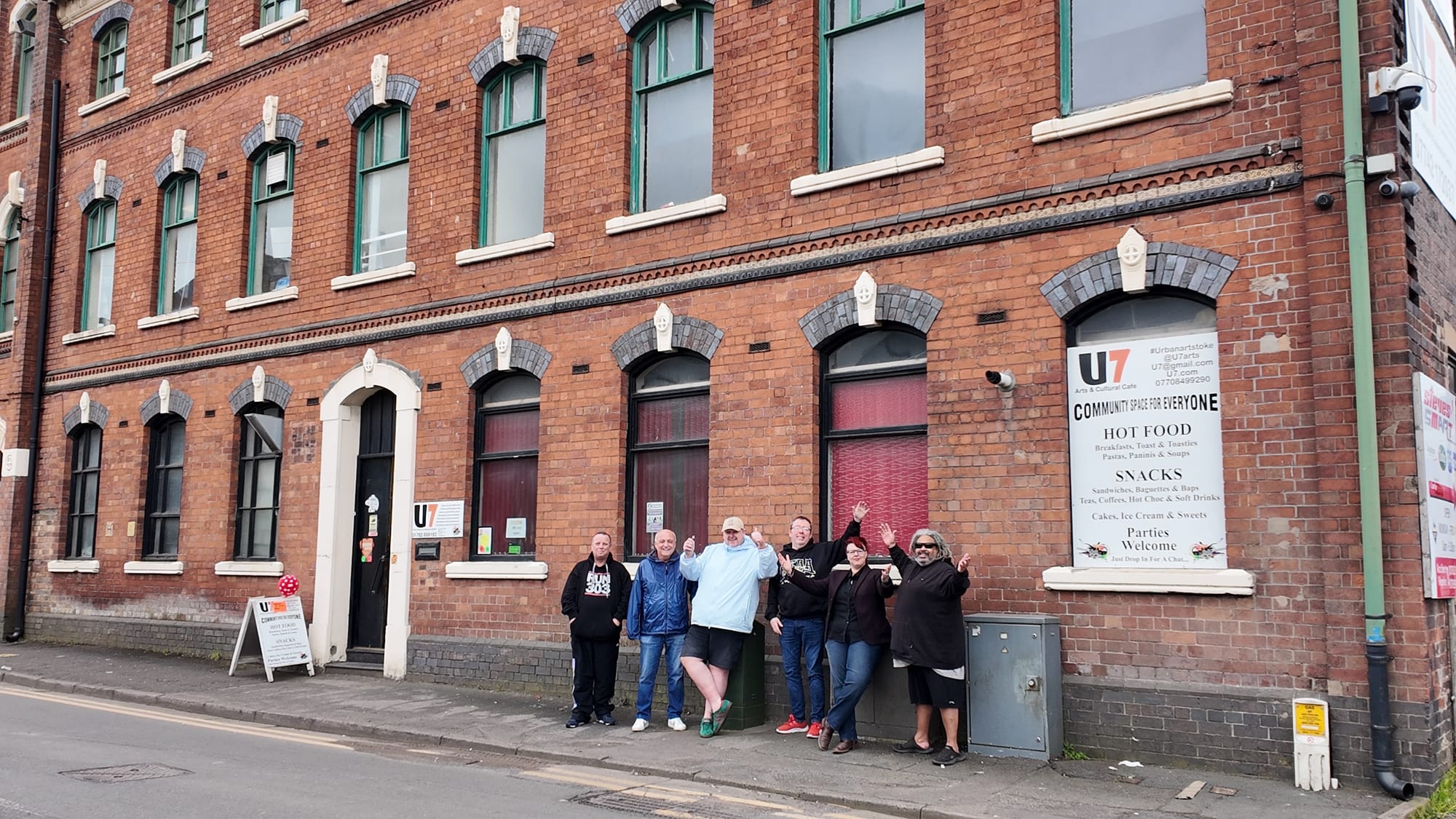
That is where I found myself one Friday morning at the U7 Arts and Cultural Centre on Sutherland Road, wedged around a table with a group of men who, between them, more or less invented a scene. There were no set questions, which suited everyone, because once this lot get going, questions are surplus to requirements.
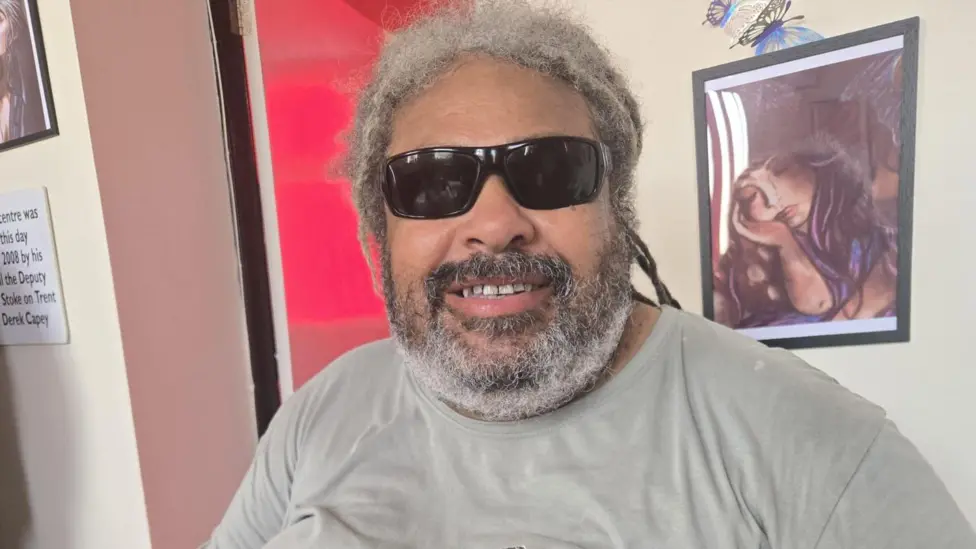
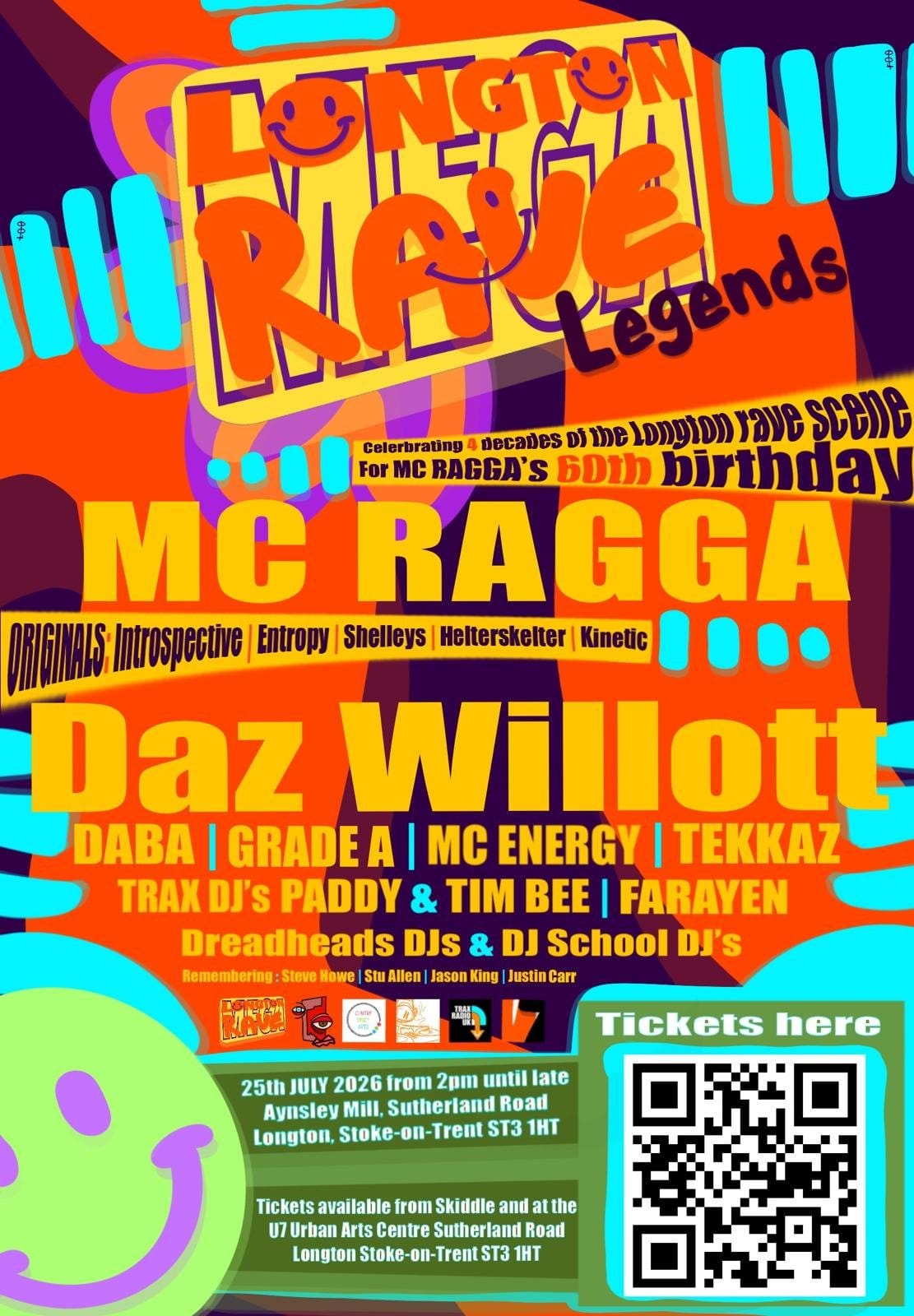
At the centre of it is Gary Oliver Falconer, better known for the last 35 years as MC Ragga. On 25 July he turns 60, and rather than a birthday party, which he claims to hate, he is throwing the Longton Mega Rave at Aynsley Mill. It is billed as one night only, a reunion of the DJs and dancers who built the scene from nothing, and a celebration of 40 years of rave in the town where, as far as this table is concerned, it all started.
From a basement to a badminton court
"I first started at a club called Introspective in the back end of 1988," Gary Oliver, now better known as MC Ragga, tells me during a meeting at U7 Arts and Cultural Centre. He's turning 60 on 25 July, and for the first time in three decades, he's willing to talk properly about those early days. "It was a badminton court down in the old bus station. High class venue, very high class venue. We started out with a few friends, a few people who'd been following Daz. He got a record shop called Wild Style and a few people used to go in the record shop. I started hanging out at the record shop. We built it up there until they closed the whole building down."
What's striking when you speak to the men and women who were actually there is how deliberate it all was. This wasn't spontaneous hedonism; this was a response, this was survival.
The Economic Soundtrack
Rewind to the late 1980s. Stoke-on-Trent and the wider Potteries were in freefall. The pottery industry, which had defined the region for centuries, was collapsing as manufacturers moved production overseas. The mining industry was on its knees. The Three-Day Week of 1974 had been a distant memory, but its impact lingered. And then came the poll tax, which hit working-class communities like Longton particularly hard.
"I lost my job, do you know what I mean?" Gary recalls. "I was a joiner. And so I had the tools to liberate the warehouse, let's say. We'd hire a sound system in so we'd have no ties. We just used to write the flyer on a little bit of paper and pass it round, and then we'd go to the services and we'd pass like about 10 pieces of paper around and everybody passed them to each other. And that's where the warehouse party would be that night."
Mark "Dabber" Davis, who would later become one of the longest-running DJs in the Stoke scene, describes the shift in outlook that the rave scene offered. "It changed my outlook on life really. I was horrible before I got involved. I was like a football hooligan. Even though I dress like one still, I'm not that person. It was massive. It was a massive change for me. And I honestly can say this changed my outlook on my life too because everyone was together. Like being together in a community, absolutely. And that really, that really meant a lot."
This is the key to understanding rave. It wasn't just music. It wasn't just drugs, though drugs certainly played a role. It was a movement defined by social rupture and the desperate, ingenious need to build something different. It was anti-establishment because the establishment had abandoned these communities.
From Acid House to Rave
Here's where the music comes in. Acid house, with its squelchy 303 synthesiser sounds, had come across from Detroit and Chicago in 1986. But it hadn't landed particularly heavily until 1988. What Gary and his collaborators did was something remarkable, they gave voice to it, literally. They gave it a cultural identity.
"I gave voice to a lot of the tunes," Gary says. "I gave voice to the names. You know what I mean? So it was the music and then my voice really. And that's what changed it from acid house into rave."
The distinction matters. Acid house was a sound. Rave was a movement, a lifestyle, a deliberate rejection of the licensing laws and social rules that said you had to drink alcohol in a bar until 2am and then go home. Rave said, no. We will dance. We will stay all night. We will dance without drinking. We will build our own spaces.
"Rave was what you did when you went originally," Gary explains. "Rave was what you did. You know what I mean? When you went. But it turned into a scene. A tag for the whole."
The comparison Gary and others draw is to Northern Soul, the movement of the 1970s centred around clubs like the Golden Torch in Tunstall, where people would dance all night to obscure soul records and amphetamines. "It's exactly the same thing," Gary says. "I grew up with Northern Soul. I grew up with all nighters. I lived in Tunstall. I was born in Tunstall. So it does take a lot from the Northern Soul, you know, because it's just like big warehouses and dancing till you drop and no alcohol."
From Basements to Ballrooms
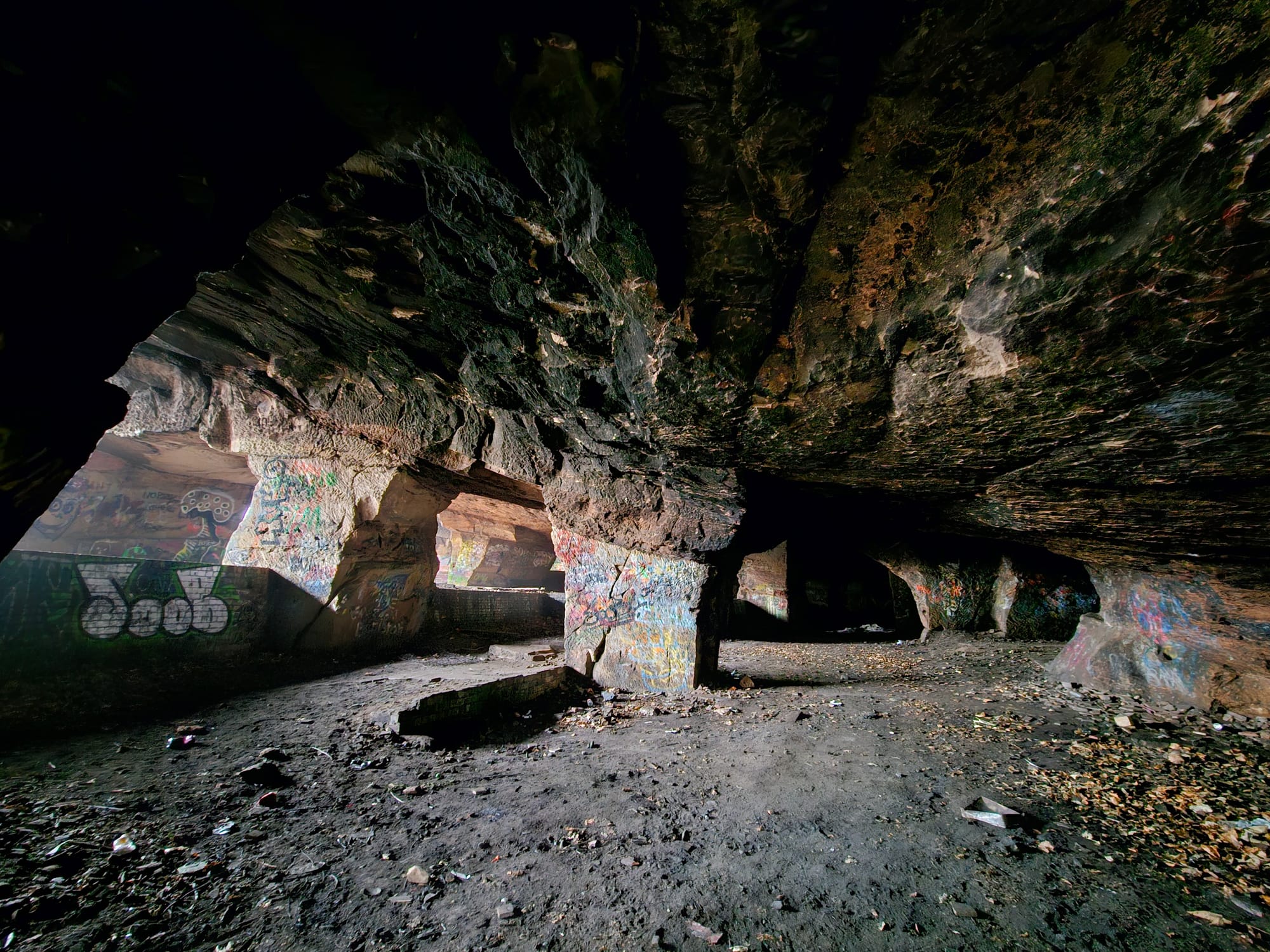
The warehouse parties continued throughout the late 1980s and into the 1990s. Gary, along with Daz Willott, Steve Howel and Justin Carr, organised what became legendary in the rave world, the beach caves parties. "I'm the beach cave man," Gary says with no false modesty. "We did them in tunnels, did them in old pot banks, done them in masks." The beach caves became so notorious that when most people outside Stoke think of the local rave scene, they think of those illegal warehouse parties in the disused caves.
But by the early 1990s, the scene had begun to crystallise around proper venues. Club owners saw the money that could be made. The club nights started operating legally, with their own sound systems and licensing, even if the spirit remained rebellious.
Introspective moved locations. Entropy opened at the Leisure Bowl in Longton, where Gary was a resident MC and where a neon letter E hung over the dancefloor, a barely concealed reference to ecstasy. Club Kinetic began at the LA Bowl, and it became, for a time, the most successful hardcore club in the country.
"Club Kinetic was the biggest, most successful hardcore club in the country," Dabber says with evident pride. "Like New Year's Eve you get over 2,000 people. Four rooms at the open and regularly. The last time Carl Cox played, he insists on playing in the house room because that's where I was resident. And probably the biggest gig in your life after warming up to Carl Cox."
Shelley's, in Longton, hosted night after night of electronic music. Golden Torch, named after the famous Northern Soul venue, became legendary. Time and Space in Newcastle-under-Lyme. Room 101. The Void. Trenton Gardens. The Queen's Theatre hosted a night as well. The list goes on, and each venue had its own character, its own resident DJs, its own legacy.
All the biggest DJs in the UK came to Stoke. Dave Seaman. Sasha. Dave Lee. Judge Jules. Groove Rider. Jeremy Healy. Carl Cox. Frank De Wolf from Belgium. Fatboy Slim. Jumping Jack Frost from America. Stoke-on-Trent, somehow, became a draw for international talent. It became, briefly, at the very heart of global electronic dance music.

The Cost
But rave wasn't pure. It never is when music meets drugs, money, and the desire to escape. The scene came with a shadow side that grew darker as the 1990s progressed.
"The name Leah Betts, who died in November 1995 after consuming an ecstasy tablet and subsequently drinking approximately seven litres of water within a 90-minute period, still lands heavily around the table," I say carefully during our conversation. The inquest concluded that her death resulted from water intoxication leading to brain swelling, though the ecstasy may have impaired her body's ability to regulate water balance. Gary wrote about her in his book, MC Rave. The opening chapter references her death.
But the drugs issue was only part of it. There were gang wars, imported partly from Manchester. Shelley's itself became a flashpoint. There was violence. There was money to be made, and not all of it found its way into the pockets of young ravers trying to escape their economic reality. By the early 2000s, many of the key figures had stepped back. Dabber stopped DJing in 2004. Gary had already moved on, having gone on tour with the Happy Mondays and opened a chain of Amsterdam-style coffee shops.
"I'd got a bag of money and decided, hey, I'll open a chain of Amsterdam-style coffee shop, sit there and smoke pot for the next three or four years," Gary laughs. "So much money, to be honest."
The peak had passed. But the legacy remained, and it remains still.
The Resurgence
Here's the thing about culture, though. It doesn't truly die. It rests. It regenerates. The rave scene in Stoke never ended, it just transformed. And in recent years, there's been a resurgence, driven partly by nostalgia, partly by a generation of young people who never experienced the legal club scene discovering the culture through their parents.
"I think there's a resurgence at the minute for the last, I don't know, 12, 18 months," Tim Bee, who manages Trax Radio and organises events across Stoke, tells me. "A lot of records that are coming through are reworks, remixes, of classic tracks. There are kids that have heard their parents' records and they're getting into it."
It mirrors what's happening with Northern Soul as well. There are monthly Northern Soul nights across the Potteries now. There's a recognition that what was built in the late 1980s and 1990s was genuinely important, genuinely influential, and genuinely worth celebrating.
Longton Mega Rave: A Celebration Comes Home
Which brings us to the present moment. Gary Oliver is turning 60. For thirty years, he stepped away from the rave scene to raise a family, teach in schools, and invest in his community. He founded U7 Arts and Cultural Centre. He became a poet. He became respectable, in other words, in all the ways that his younger self might have scorned.
But then something shifted. "I'm 60 and I have sort of ignored that side of my life, you know what I mean?" Gary reflects. "For about 30 years. But everybody's going around, this post is up saying, you know, Shelly's reunion, HP reunion, blah, blah, blah. Then I saw one with Daba's name on it and I went, oh, I've seen about 100 of these and I've not. That's the first time I've seen a DJ's name on it that I do recognise. So I thought, hang on, I was actually there, do you know what I mean? I was actually there at the beginning."
The Longton Mega Rave is his 60th birthday party, yes, but it's also something bigger. It's a celebration of 40 years of rave culture in Longton. It's a reclamation of history. And it's a statement that this place, this small corner of Staffordshire, changed the world.
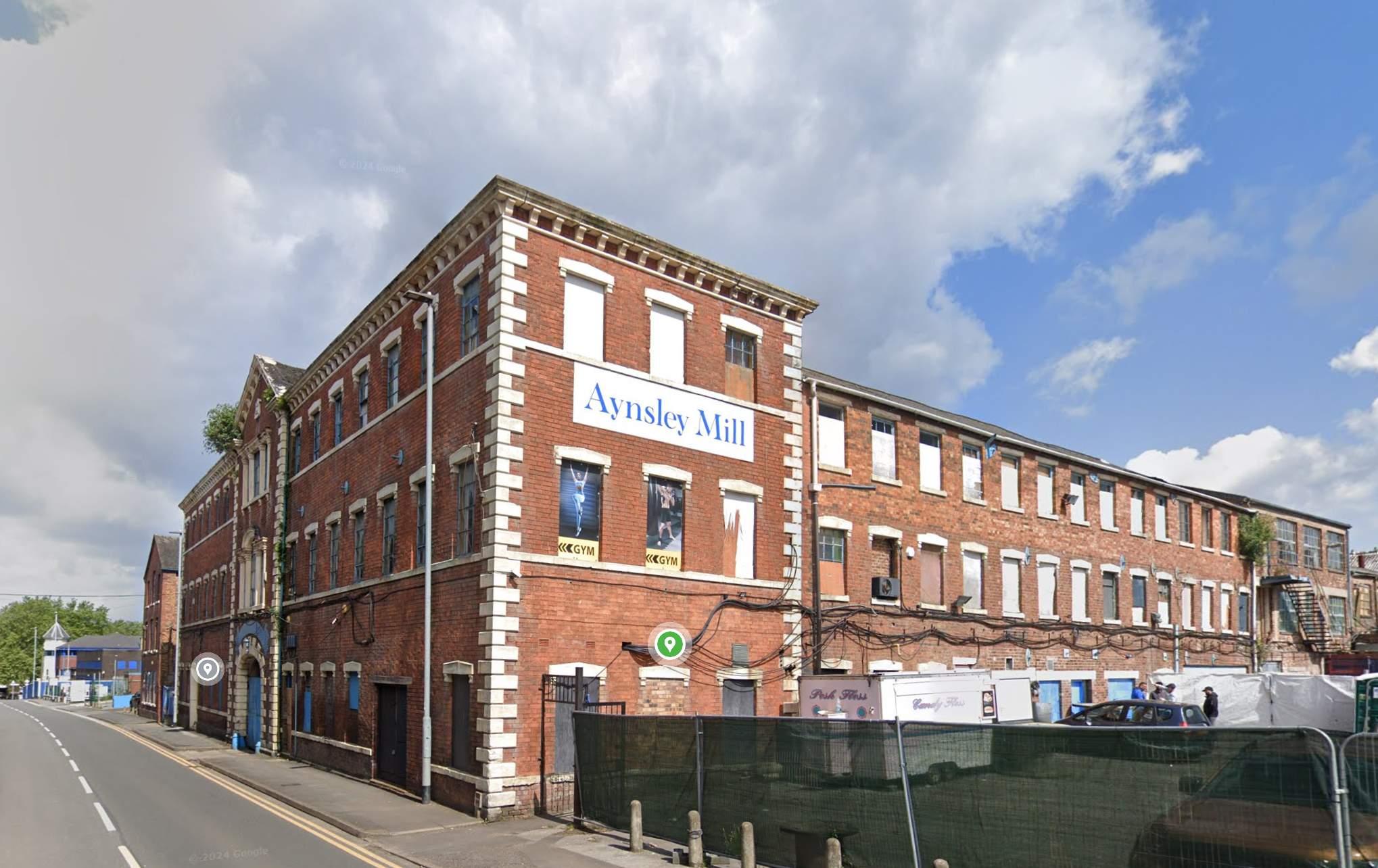
The event takes place on 25 July at Aynsley Mill, the historic pottery factory that's been repurposed as a events venue. It's a fitting location, really. The industrial ruins becoming sacred ground once again. The line-up includes Daba, Grade A, MC Energy, Tekkaz, and Farayen, alongside DJs from Trax Radio. It runs from 2pm until late, and it's deliberately styled as a return to those early days, those warehouse parties with their spirit of community and rebellion still intact.
Gary is clear about what he wants from the night. "We're opening to do some other ones through the year, say every three months, to do every quarter to do one with other legend DJs coming back, you know, hopefully supported by Dabba back again. And other legendary sort of nights. It's not meant as a challenge to regular clubs or anything like that. It's totally off board, all that, you know, it's to celebrate rave."
For anyone who lived through those nights, who remembers the queues around Club Kinetic, the impossible heat in Shelley's, the drive out to the beach caves, the thump of the 303, the neon E hanging over the dancefloor, the feeling of being part of something genuinely transgressive and genuinely alive, this is a chance to step back into that world for a moment. And for anyone younger, anyone who's curious about where all this music comes from, where the culture that still defines British nightlife was actually invented, it's a chance to be part of living history.
Because that's what MC Ragga and Dabber and all the rest of them are now, whether they like it or not. They're living history. They're the people who looked at their closed factories, their shrinking job prospects, their collapsing industry, and said, we'll build something different. We'll build something together. We'll dance until dawn and we won't ask permission.
The rave started in Longton. And on 25 July, it comes home.
The Longton Mega Rave takes place on Friday 25 July 2026 at Aynsley Mill, Longton, from 2pm until late. Tickets and more information can be found here - https://www.skiddle.com/whats-on/Stoke-On-Trent/Aynsley-Mill-/Longton-Mega-Rave/42260848/?sktag=15267&skcampaign=Data+Thistle
Enjoyed this story?
The Staffordshire Signal is a not-for-profit, community-funded publication. Every tip helps keep local journalism free, independent, and focused on the stories that matter across Staffordshire.
Every contribution supports reporting, photography, and storytelling across the county.
Join The Staffordshire Signal on WhatsApp
Never miss a single breaking update, local news story, community event, or deep dive. See everything happening in Staffordshire first, straight to your phone!
Get Instant Updates