


It has been a while now since the orange barriers finally vanished from the front of Stoke-on-Trent Railway Station, but the questions from locals are only getting louder. If you have scrolled through social media lately, you will know the score. Like many of you, we have walked past the new layout and wondered: "Is that it?" Baffled residents have suggested that £29 million was seemingly spent on a moved statue and a few new paving stones. As locals ourselves, we shared that scepticism, so we decided to do a bit of a public service. We have gone digging into the official council accounts to find out where that eye-watering sum actually went. It turns out the biggest part of the project is one you cannot even see.
The "£29 million spent on Stoke Station" has become a bit of a lightning rod for local frustration. Many of us expected a flashy, futuristic overhaul for our city gateway. Instead, what we got looks suspiciously like the old station, just a bit tidier.
Because misinformation on social media has left so many people confused, we investigated the full itemised spending records from Stoke-on-Trent City Council. The reality is that the £29 million pot, competitively won from the government’s Transforming Cities Fund (TCF), was never intended for just one road. It was a massive city-wide infrastructure rescue mission designed to fix problems that have been ignored for decades.
The £12.45 Million "Invisible" Fix
The work immediately outside the station on Station Road and Winton Square cost a total of £12,451,154. If you are wondering why it does not look like a £12 million job, you need to look down.
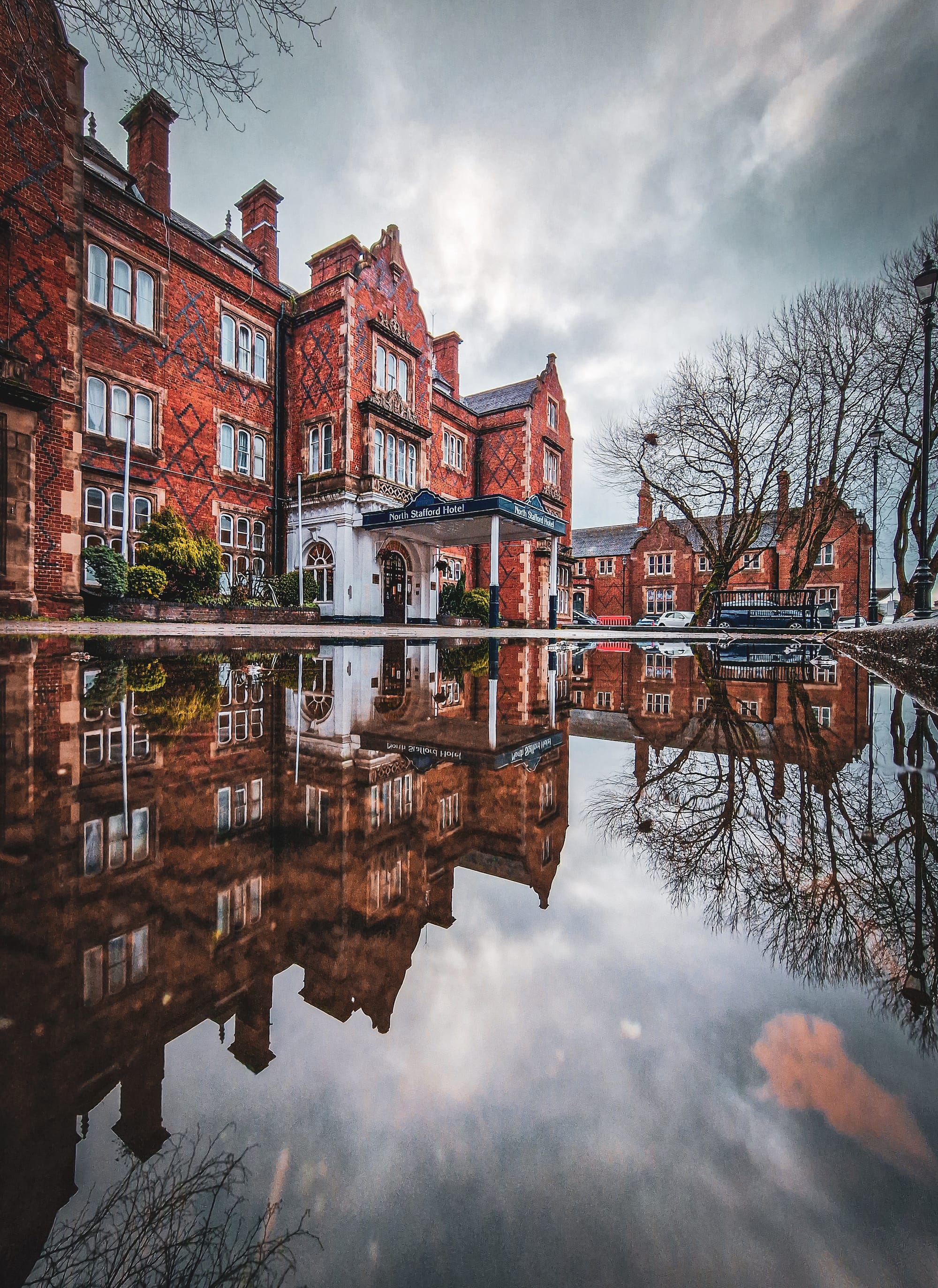
For years, the station entrance was a nightmare for "ponding," with deep puddles forming every time the Potteries saw a bit of rain. Our investigation found that a huge chunk of the budget went into a major drainage overhaul. Engineers had to dig up to 3 metres deep to fix failing Victorian infrastructure and add capacity for the next century.
Breaking Down the Station Road Bill:
- Pavements and Kerbs (£3,409,983.95): Because this is a high-quality conservation area, the council used premium materials to match the Grade II* listed heritage of the station.
- Preliminaries (£2,197,618.78): This covers the essential site setup, safety management, and initial works.
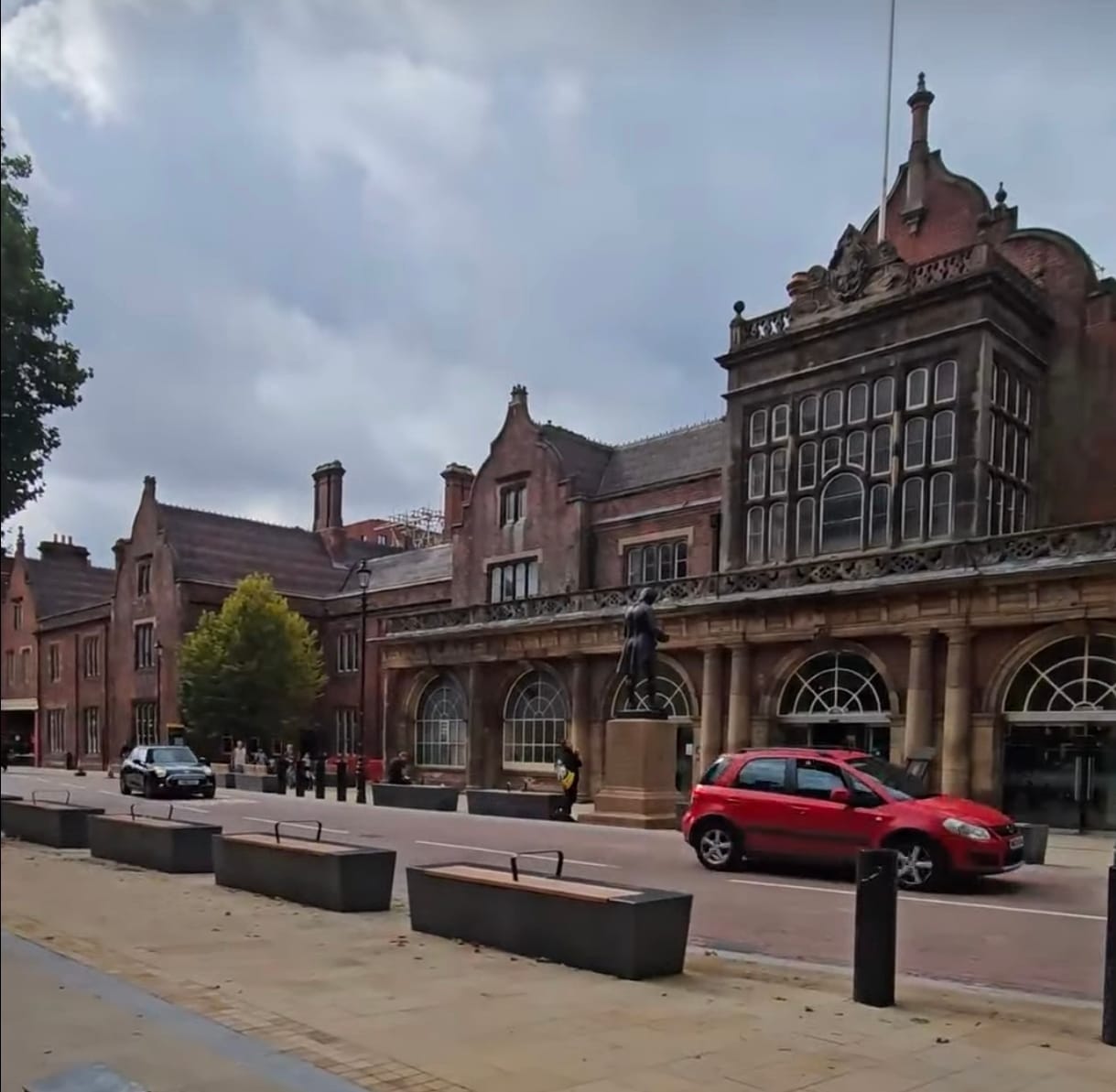
- Design and Heritage Planning (£1,238,319): Architects had to ensure the changes did not ruin the Neo-Jacobean manor house style of our historic station.
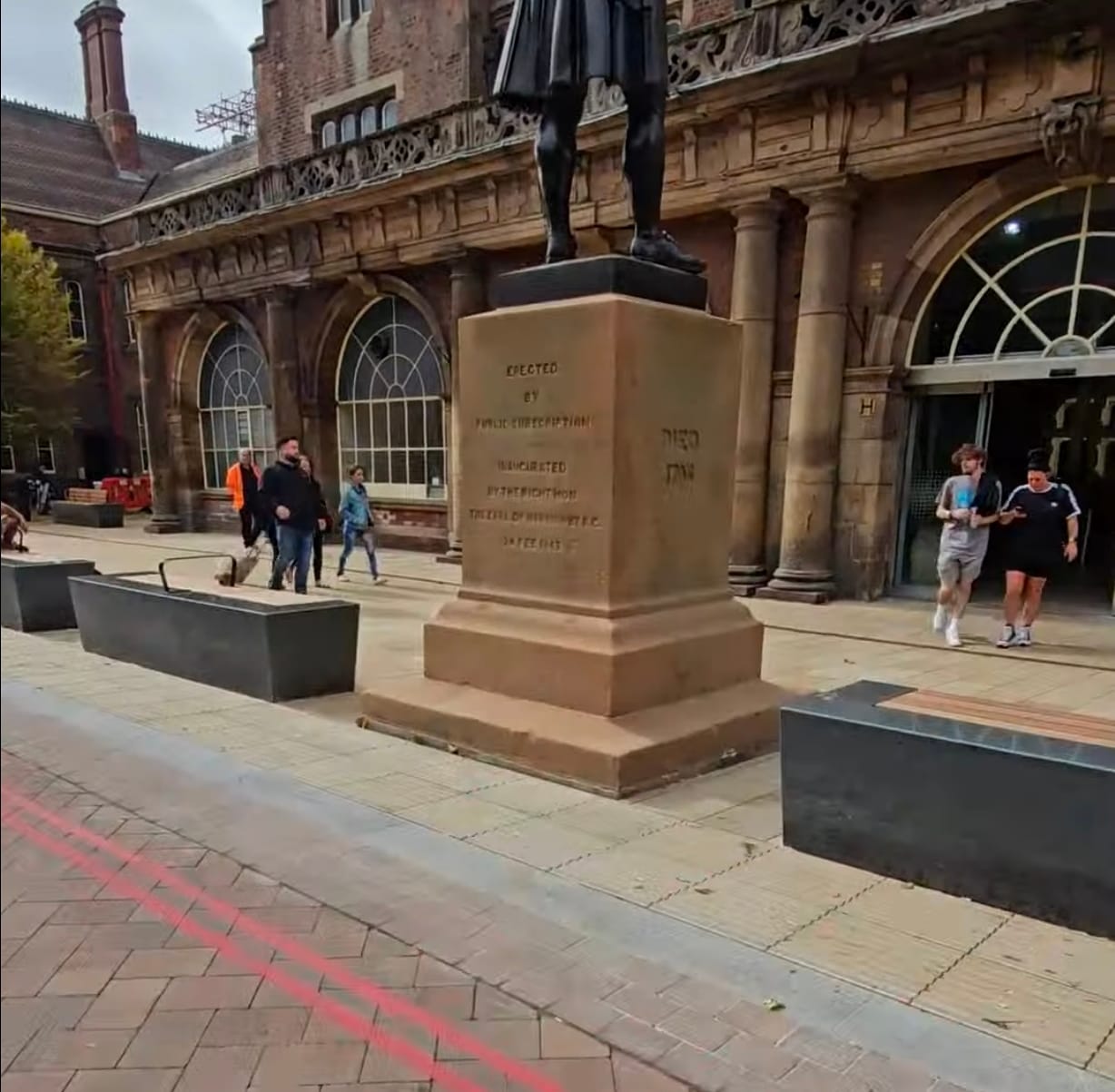
- Restoration and Landscaping (£1,945,637.20): This funded the restoration of Winton Square and the relocation of the Josiah Wedgwood statue.
The Wedgwood Statue & Bus Gate
Not everything in the budget has been met with a smile. The relocation of the Josiah Wedgwood statue was branded "unnecessary" by the Victorian Society, who feared moving the Grade II listed memorial closer to the station entrance would result in it being ignored by visitors. However, the council argued that moving it enabled the road to be realigned, creating a larger, safer public space for circulation.
Then there is the Station Road Bus Gate. While the council maintains it makes bus services more reliable, it has become a "cash cow" in the eyes of some locals. Since its launch, drivers have faced £70 fines for passing through the restricted zone, with many complaining that sat-navs have not been updated and signage is difficult to see at night.
The Secret £15 Million Road You Might Have Missed
While everyone has been focusing on the station front, the biggest spender was actually a mile away. £15,388,066 was spent on the College Road corridor.
This was a massive civil engineering feat connecting the station to Hanley city centre. The council rebuilt the entire road and footway infrastructure from the ground up to fix potholes and utilities that were falling apart. It also introduced:
- Segregated cycle lanes north of Avenue Road to keep cyclists safe.
- Wider pavements and new parallel crossings for pedestrians.
- A new bus gate south of Avenue Road to help public transport bypass the usual gridlock.
Where did the rest of the cash go?
The remaining millions were sprinkled across high-tech upgrades and future-proofing other parts of our city:
- £402,000: Upgrading Hanley Bus Station for real-time passenger info.
- £286,000: Creating a direct route from Platform 3 toward the new Goods Yard site.
- £192,000: Installing contactless "tap-on, tap-off" technology on our buses.
- £640,000: Initial work to improve Longton town centre and pedestrian links.
- £1,095,000: Preparation for future bids, including the long-awaited Longton Station lifts and Etruria Valley.
The Verdict: A Legacy for Our City
The reason the station looks mostly the same is that the council chose to spend your money on long-term resilience rather than just a cosmetic makeover. By rebuilding the foundations and the sewers now, they have ensured the station is fit for purpose for decades to come.
This investment was the "front door" needed to support the £60 million Goods Yard development next door, which is already bringing new life and young professionals to the city. To protect this investment, the council has even imposed a 30-month roadworks ban until March 2028 to ensure utility companies don't dig up the brand-new pavements.
Councillor Finlay Gordon-McCusker summed up the project's positive impact:
"In short, we unlocked £29 million of improvements; transforming key gateways, supporting sustainable travel, and delivering infrastructure that will boost the city’s prosperity and residents’ wellbeing for years to come. That is something we should be proud of."
The Longton Connection: A Town No Longer Left Behind?
While the station front has taken the spotlight, a significant portion of the conversation has turned toward Longton. For years, residents there have felt that their town centre and transport links were an afterthought compared to the city’s central hub.
Our investigation into the £29 million pot found that Longton was originally set for a major upgrade, including long-awaited new lifts at Longton Station. However, those plans hit a roadblock when the project went over budget and had to be shelved in its original form.
Instead, the council has allocated an initial minimum of £640,000 specifically for works in Longton town centre to improve pedestrian links and the area around the railway station. While this is a smaller slice of the pie than some had hoped for, local leaders insist it is just the beginning.
According to the council meeting records, the authority is currently in talks with East Midlands Railway to find further ways to improve the station area, with plans to invest any remaining funds from the wider TCF programme there. Furthermore, over £1 million of the total fund has been used for preparatory work, essentially getting the designs ready, for future funding bids for those crucial Longton Station lifts and improvements to Boughey Road.
Councillor Gordon-McCusker noted that the work at the main station has "set a new standard" that is now driving investment back into Longton. By combining the TCF money with the Bus Service Investment Plan and the Levelling-Up Partnership Fund, the council aims to renew confidence in a town that many locals feel has been neglected for too long.
While it is easy to be cynical about a project that looks "unchanged," the numbers show a city finally getting the basic infrastructure it deserves. So, the next time you hear someone say the money was wasted on a few slabs of stone, you can tell them the real story is buried three metres deep under their feet.

Enjoyed this story?
As a Community Interest Company, we reinvest every penny into Staffordshire journalism. Your tips help us keep our reporting "Open Access" and free for everyone.
Support the Mission (Tip Jar)Every contribution stays in Staffordshire. Thank you for being part of the journey.
Explore the heart of our county Use the interactive map above to discover local landmarks, heritage sites, and community-vetted spots. Every interaction helps support The Staffordshire Signal’s mission to keep local news free and independent.


